Questionnaire 2026
Completed in 2 ticks (Well, 12 actually)
The NAVGroup Questionnaire October 2026
Help us plan an enjoyable and inspiring NAVGroup programme. Your ratings will show which talks, demonstrations or activities interest members most and help us invite speakers to well-supported meetings.
Rate every activity from 1 (least interested) to 5 (most interested). Use item 12 to suggest anything we have missed. Your responses will help the committee plan a programme for everyone. Thank you for taking part!
Please download this form from 'Our Files - Public' and complete before 12th October 2026. Email it to our website at northernaudiovisualgroup@gmail.com , so we can compile and include the findings in the October meeting discussion. Otherwise, bring it to the Snods Edge meeting.
|
|
Suggested Activity |
1 |
2 |
3 |
4 |
5 |
|
1 |
Discovering AV production software and techniques through practical explanations and demonstrations |
|
|
|
|
|
|
2 |
Exploring cameras and equipment for creating great AV productions |
|
|
|
|
|
|
3 |
Developing engaging scripts and confident voiceovers. |
|
|
|
|
|
|
4 |
Hearing inspiring guest speakers share their AV experiences. |
|
|
|
|
|
|
5 |
Sharing your own AV productions and receiving friendly, constructive feedback |
|
|
|
|
|
|
6 |
Enjoying AV productions created by fellow members |
|
|
|
|
|
|
7 |
Entering AV competitions and applying for distinctions |
|
|
|
|
|
|
8 |
Preference for Zoom meetings, such as those held in January and July |
|
|
|
|
|
|
9 |
Preference for face-to-face meetings, such as those held in March and October |
|
|
|
|
|
|
10 |
Information and demonstrations on producing videos |
|
|
|
|
|
|
11 |
Practical sessions, such as creating an AV from random images and music during the meeting |
|
|
|
|
|
|
12 |
Your other suggestions |
|
|
|
|
|
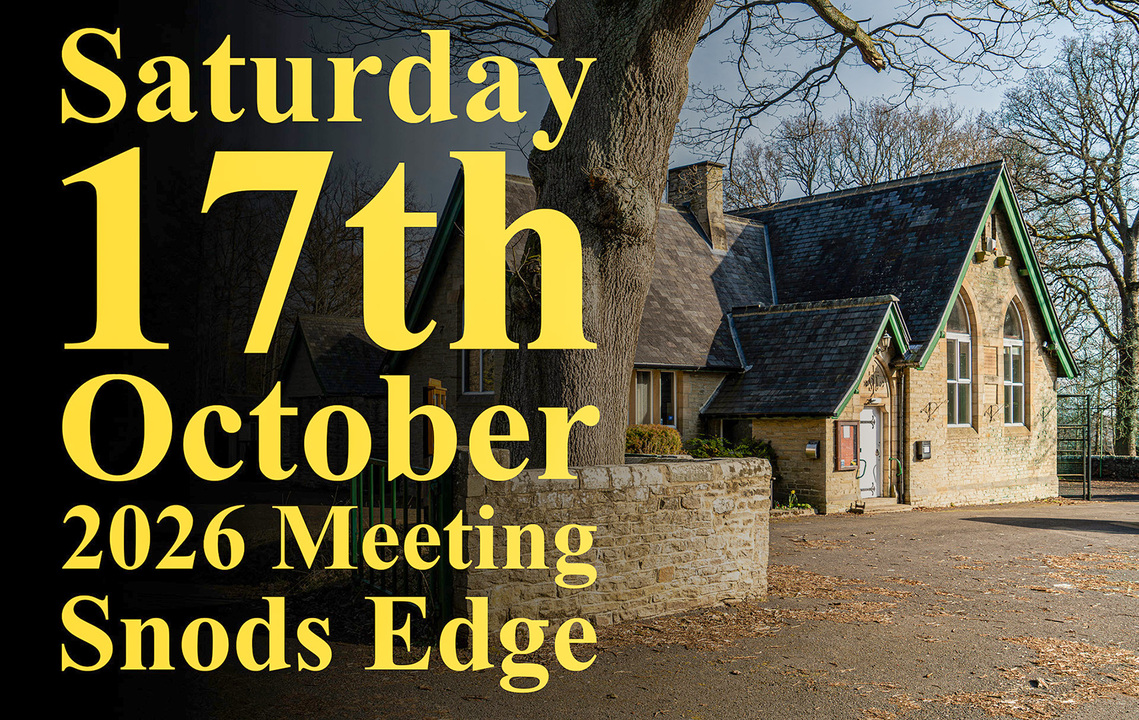
Screening the Present, Shaping the Future
October 2026 Meeting – Return of Malcolm Imhoff FRPS FACI(M) AV-EFIAP, The next meeting of the Northern Audio-Visual Group takes place at Snods Edge on Saturday 17th October 2026—and there’s plenty to look forward to.
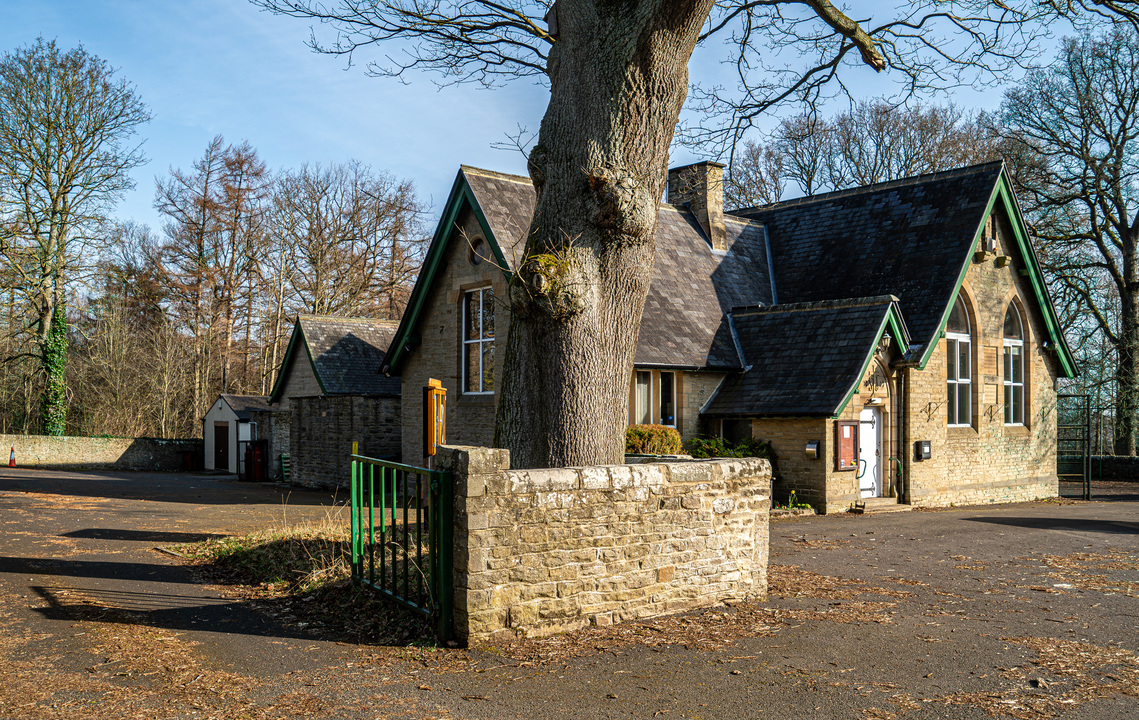
The next meeting of the Northern Audio-Visual Group takes place at Snods Edge on Saturday 17th October 2026—and there’s plenty to look forward to.
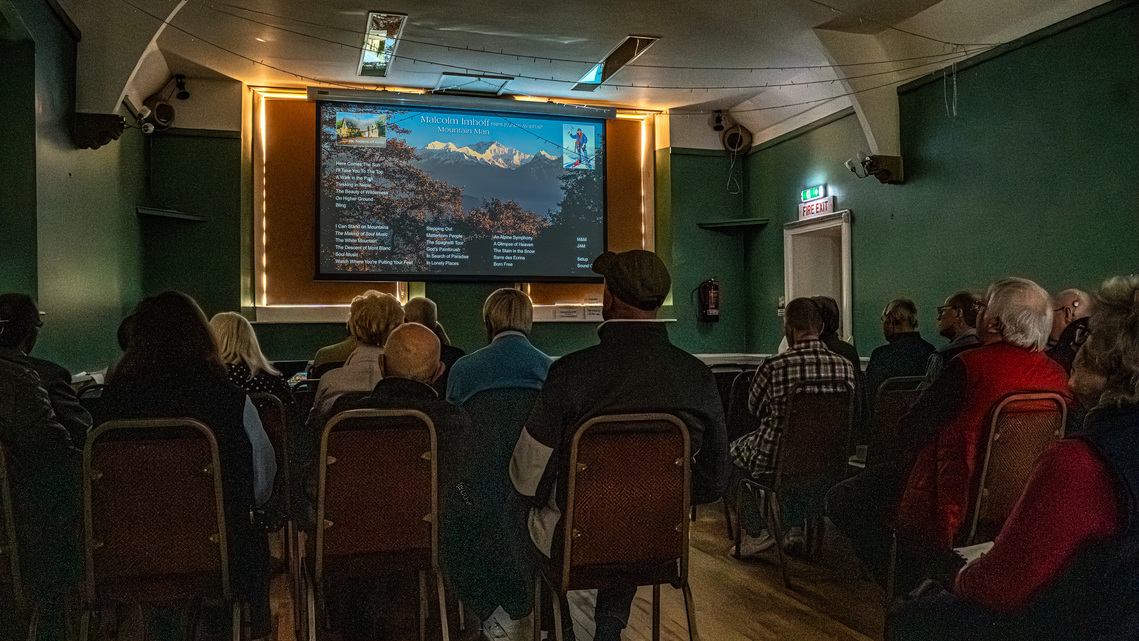
Malcolm Imhoff has kindly agreed to return and finish the presentation he began at our last meeting. Readers of the IAC’s Film and Video Maker magazine will know Malcolm as its AV correspondent. With years of experience in producing, judging, organising and entering major national and international competitions—and an impressive collection of distinctions and awards—he knows more than a little about what makes an AV programme stand out. Malcolm will build on his previous talk, share some of his latest productions and reveal the ingredients that can help turn a good programme into an award-winning one.
As Malcolm has agreed to attend in person, we will not need the Zoom connection at Riding Mill. The meeting will therefore take place at our original venue, Snods Edge.
And that is only the headline act. We will also be screening programmes made by our own members. If you submitted an AV for the last meeting but it was not shown, you may keep it in the running or swap it for another. If yours was shown, please send us something different this time. New programmes from attendees are, of course, always very welcome.
If all that sounds like quite enough excitement for one day, we have one more item up our sleeve. The committee will invite everyone to join a short, informal conversation about the future of the Northern Audio-Visual Group. As a committee we make decisions on your behalf, so we want to be sure the Group is heading in a direction that members genuinely value:
For example, Should future meetings explore new ways of producing AV programmes, focus more on distinctions, spend more time discussing our own work, or showcase the work of other creative programme makers? What will keep you coming to our meetings? Bring your questions, ideas and hopes—there are no wrong answers, and your views will help shape what comes next. Before the meeting, we will produce a questionnaire to help guide our thinking on the day, so keep an eye on this website.
It promises to be a full, friendly and entertaining day—and here’s an extra reason to come along to Snods Edge: because the last meeting ran to a shortened schedule, the NAVGroup will cover the cost of this one. Attendance is free; you will only need to pay for your refreshments. Our usual caterers are away on holiday, so we have booked a different supplier who may add a little new “spice” to the occasion.
Your secretary will email application forms in September, you can also pick up a form from this website, so please complete and return it as soon as you can. Let us know whether you will be attending and which AV you would like to share. Come for the a-v, stay for the conversation—and enjoy a day of entertainment, inspiration and good company with fellow enthusiasts. We hope to see you there!
Tags:
Marching On
Back Together at Snods Edge
 Marching On – Back Together at Snods Edge
Over the past few years, we’ve split our meetings between our March get-together at our original home of Snods Edge and our October meeting at Riding Mill. Riding Mill has been a great help, especially because the internet connection has allowed us to bring in speakers by Zoom. But, for whatever reason, our membership has slipped a little, and the committee feels this is a good moment to give the Group a fresh boost.
So, we’re planning to return to where it all began at Snods Edge and. In March 2027, in addition to members sequences, we also intend to enjoy a programme led by four of our own ‘experts’. We are inviting four of our experienced members to share their skills, experience, and enthusiasm, with each person leading a one-hour session on each of these topics:
Creative scriptwriting.
Preparing Images for Audio Visual.
Movement by Modifiers in Pictures to EXE
Da Vinci Resolve, An Alternative.
You’ll hear more about this at our October meeting when we will be hosting the
Return Visit of Malcolm Imhoff FRPS FACI(M) AV-EFIAP. And, of course, we’ll send out more details nearer the March date, but we really hope you’ll come along, take part and help make the day a friendly and lively success. And if there are any other subjects or ideas you think members would enjoy, please do let the Secretary David Niman at david.niman@gmail.com know.
Tags: